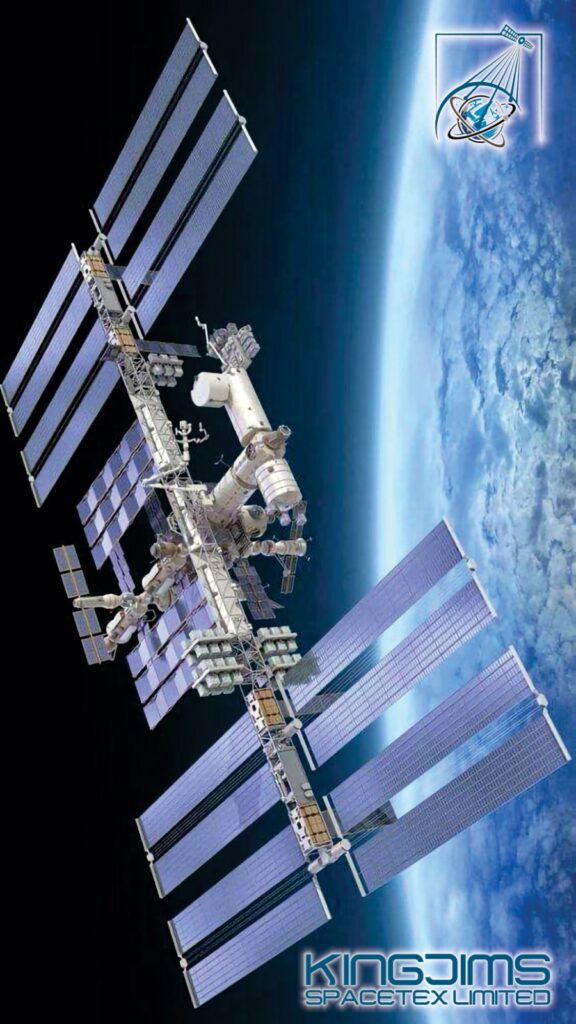
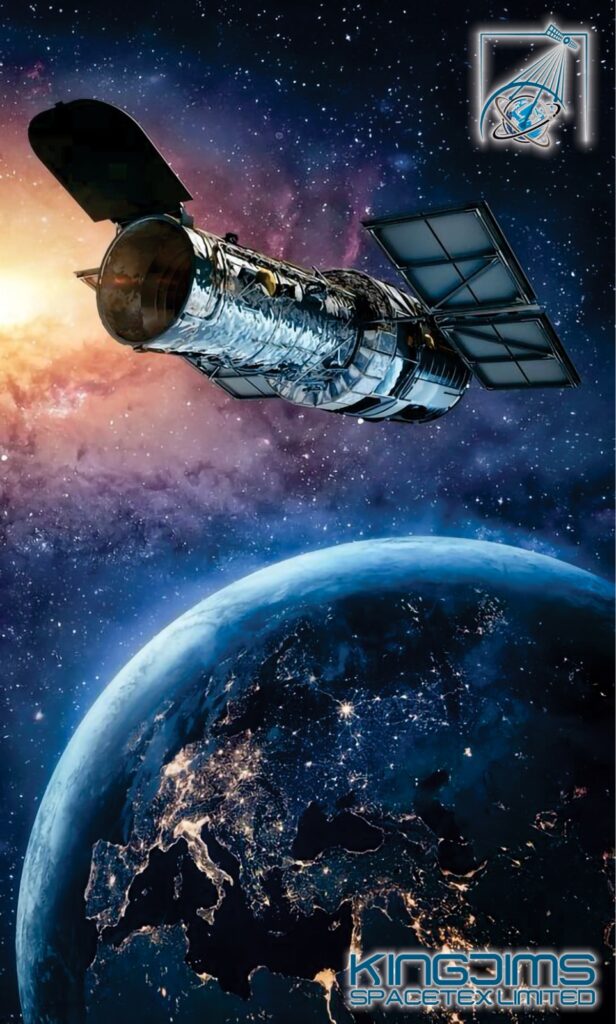
Solar power is a critical energy source for maintaining long-duration space missions and satellite operations. Efficient solar energy systems must withstand radiation exposure, thermal cycling, and prolonged operation while delivering consistent power output across varying orbital conditions.
At Kingjims Spacetex, research in Solar Power in Space focuses on improving solar cell efficiency, structural resilience, and power management integration. By advancing sustainable solar energy technologies, this work supports reliable spacecraft operations, reduced mission costs, and extended exploration capabilities in both near-Earth and deep-space environments.
Solar power systems in space are designed to maximize energy capture while minimizing mass and structural complexity. Advanced materials and lightweight support structures enable large-area solar arrays that maintain optimal orientation and performance throughout a spacecraft’s mission.
Research at Kingjims Spacetex also emphasizes durability under extreme environmental conditions, including radiation, micrometeoroid impacts, and thermal fluctuations. By ensuring long-term reliability, these systems support uninterrupted power supply for critical spacecraft operations and scientific instrumentation.
Innovations in energy storage and power management complement solar generation systems, allowing efficient regulation, distribution, and backup during eclipses or periods of reduced sunlight. These integrated solutions ensure continuous operation of spacecraft subsystems and mission-critical payloads.
Adaptive solar array designs and deployable mechanisms are a key focus, enabling compact launch configurations while providing large surface areas for energy capture once in orbit. This flexibility improves mission feasibility and reduces launch constraints.