
Comparative Planetology
- Home
- Comparative Planetology
Comparative Planetology
Comparative Planetology is the scientific study of planets, moons, and planetary systems by examining their similarities and differences to understand how they form, evolve, and interact with their environments. By comparing geological features, atmospheres, magnetic fields, and surface processes across multiple planetary bodies, scientists gain deeper insights into planetary behavior and the history of our solar system.
At Kingjims Spacetex, Comparative Planetology research supports a broader understanding of planetary environments and extreme conditions beyond Earth. These insights guide the development of advanced materials and systems designed to operate across diverse planetary settings, enabling more adaptable, resilient, and scientifically informed approaches to future space exploration.
Comparative Planetology also helps scientists identify patterns in planetary evolution by analyzing factors such as climate systems, surface composition, and internal structures. By studying these elements across different celestial bodies, researchers can better understand processes like volcanic activity, erosion, and atmospheric change, offering valuable clues about the past and future of planetary environments.
This field further contributes to the identification of potentially habitable worlds by examining conditions that support or limit the presence of water, stable atmospheres, and energy sources. Through these comparisons, scientists can refine models used to detect Earth-like characteristics on distant planets, strengthening the search for environments that may support life.
At Kingjims Spacetex, these insights are translated into practical innovation through the design of materials and systems capable of adapting to varied planetary conditions. By aligning research with real-world application, the organization supports the development of technologies that remain reliable across extreme temperatures, pressures, and environmental challenges encountered in planetary exploration missions.
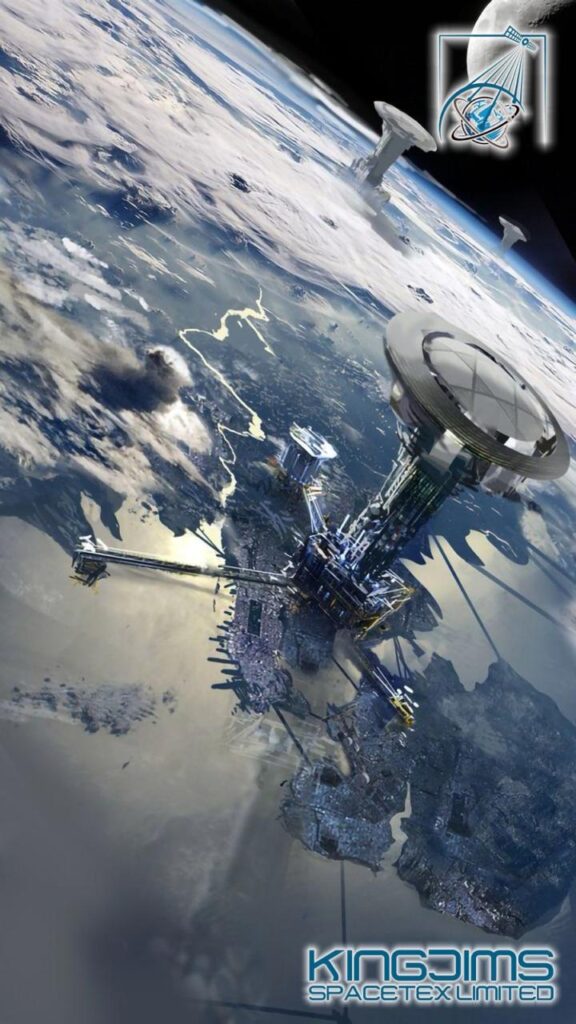
Understanding Planetary Evolution Through Comparison
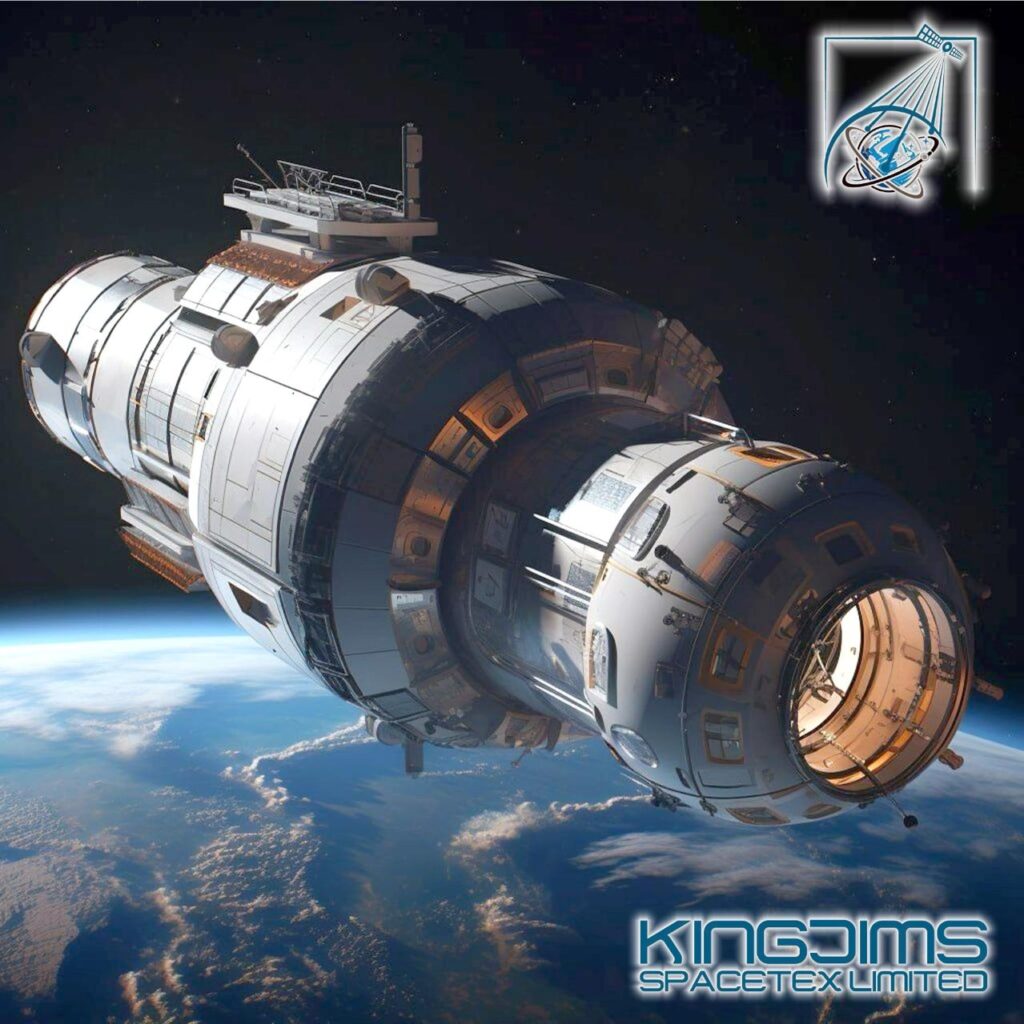
Each planet and moon carries a unique record of its formation, climate history, and internal processes. By comparing surface structures, atmospheric compositions, and environmental conditions across different planetary bodies, scientists can identify common patterns and critical differences that explain how planets evolve over time. This comparative approach helps reveal why worlds develop distinct characteristics and how they respond to extreme conditions.
At Kingjims Spacetex, this research informs the design of materials and technologies capable of withstanding varied planetary environments. By aligning planetary science insights with advanced material innovation, these efforts support exploration systems that remain reliable across diverse terrains and atmospheric conditions throughout the solar system.
Comparative studies also provide valuable insights into dynamic processes such as tectonic activity, atmospheric circulation, and surface-atmosphere interactions across planetary bodies. By analyzing these processes in different environments, scientists can better understand how external forces and internal mechanisms shape planetary landscapes over time, contributing to more accurate predictive models of planetary behavior.
At Kingjims Spacetex, these findings support the continuous refinement of advanced materials engineered for durability and adaptability in extreme conditions. By incorporating scientific understanding into material development, the organization enhances the performance and longevity of technologies used in planetary missions, ensuring consistent reliability in diverse and challenging extraterrestrial environments.