
Space Genetics Research
- Home
- Space Genetics Research
Space Neuroscience
Space Neuroscience examines how the space environment influences the human nervous system, including brain function, cognition, sensory perception, and behavior. Factors such as microgravity, radiation exposure, confinement, and disrupted sleep cycles can affect neural processing, motor coordination, and mental performance, making this field vital for safe and efficient space missions.
At Kingjims Spacetex, Space Neuroscience research supports the understanding of neurological adaptation in space and the development of protective, human-centric material solutions. By integrating neuroscience insights with advanced textile and material innovation, this work contributes to improved cognitive resilience, safer habitats, and sustained human performance during long-duration space exploration.
Space Neuroscience also investigates how prolonged exposure to microgravity and space stressors affects neuroplasticity, sensory integration, and vestibular function. Understanding these changes helps design countermeasures for disorientation, motion sickness, and cognitive fatigue, ensuring astronauts can perform complex tasks safely and effectively.
Additionally, this research explores the interaction between physiological and psychological factors in space, including stress, isolation, and social dynamics. At Kingjims Spacetex, these insights guide the development of adaptive environments, ergonomic materials, and supportive systems that enhance mental well-being, cognitive function, and overall mission success during extended spaceflight.
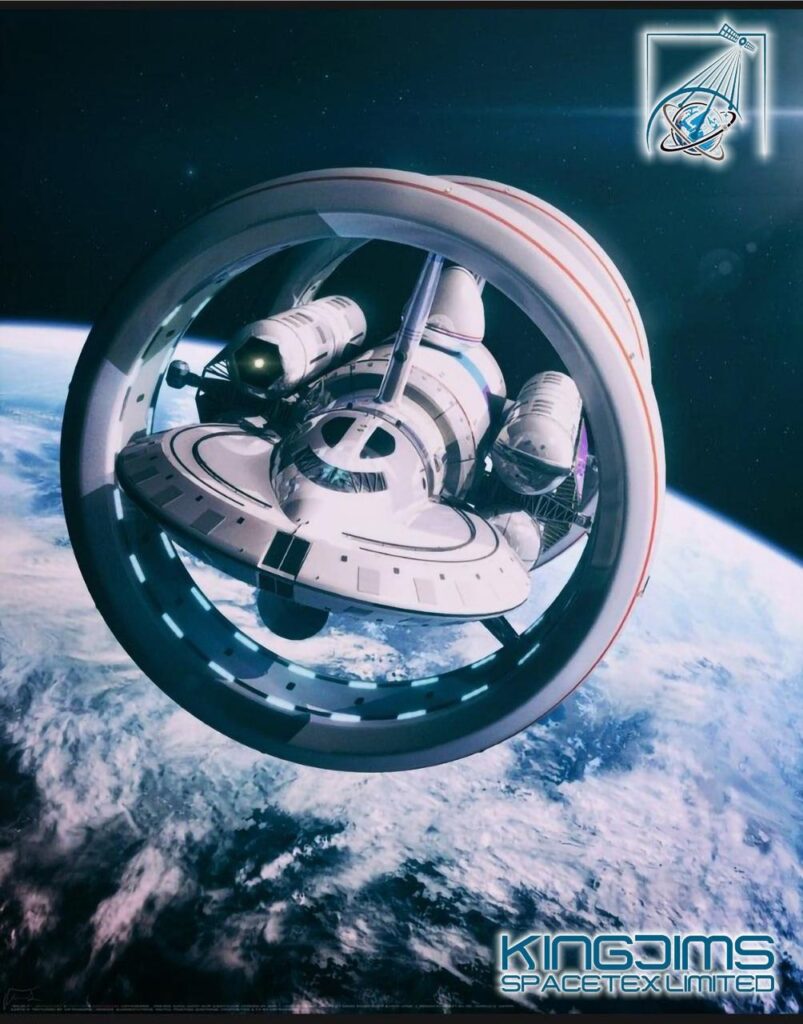
Neural Adaptation and Cognitive Performance in Space
The extreme conditions of space can influence how genes behave, repair, and express themselves over time. Exposure to radiation and microgravity may alter DNA integrity, affect mutation rates, and change gene regulation pathways, potentially impacting health, development, and biological function. Understanding these processes is critical for assessing long-term biological risks in space.
At Kingjims Spacetex, this research helps guide the development of controlled environments and protective material systems that support genetic stability during space missions. By integrating genetics research with advanced material innovation, these efforts strengthen biological safety, support reliable experimentation, and advance the understanding of life’s adaptability beyond Earth.
Space genetics research also examines how cellular processes, including DNA repair, protein synthesis, and epigenetic modifications, respond to the stresses of spaceflight. Studying these effects provides insight into the mechanisms of adaptation and resilience in living organisms, informing strategies to mitigate potential health risks for astronauts during long-duration missions.
Furthermore, insights from space genetics can guide the design of life-support systems, biomedical monitoring, and personalized countermeasures for crew members. At Kingjims Spacetex, integrating genetic research with advanced materials and habitat design ensures safer, more stable environments that protect biological integrity and support sustainable human presence in space.