
Planetary Mapping Science
- Home
- Planetary Mapping Science
Planetary Mapping Science: Charting Worlds Beyond Earth
Planetary mapping science focuses on creating detailed maps of planetary surfaces using data from satellites, landers, and space probes. Scientists analyze topography, surface composition, and geological features to understand planetary structure and history. High-resolution mapping helps identify landforms such as craters, mountains, valleys, and fault lines across planets and moons.
This research supports mission planning, landing site selection, and long-term planetary exploration. Mapping data also reveals surface changes over time and aids comparative studies between Earth and other planetary bodies. Planetary mapping science plays a key role in understanding planetary evolution and guiding future space missions.
Planetary mapping science also incorporates advanced remote sensing techniques such as spectral imaging and radar mapping to uncover surface composition and subsurface structures. These methods allow scientists to detect minerals, ice deposits, and hidden geological features that are not visible through standard imaging, providing a more complete understanding of planetary environments.
Time-based mapping plays an important role in tracking dynamic surface changes, including dust storms, volcanic activity, and seasonal variations. By comparing datasets over time, researchers can monitor environmental shifts and better understand active processes shaping planetary surfaces.
At Kingjims Spacetex, insights from planetary mapping research support the development of advanced materials and systems for data acquisition and analysis technologies. By enhancing precision, durability, and performance, these innovations contribute to more accurate mapping capabilities and improved outcomes in planetary exploration missions.
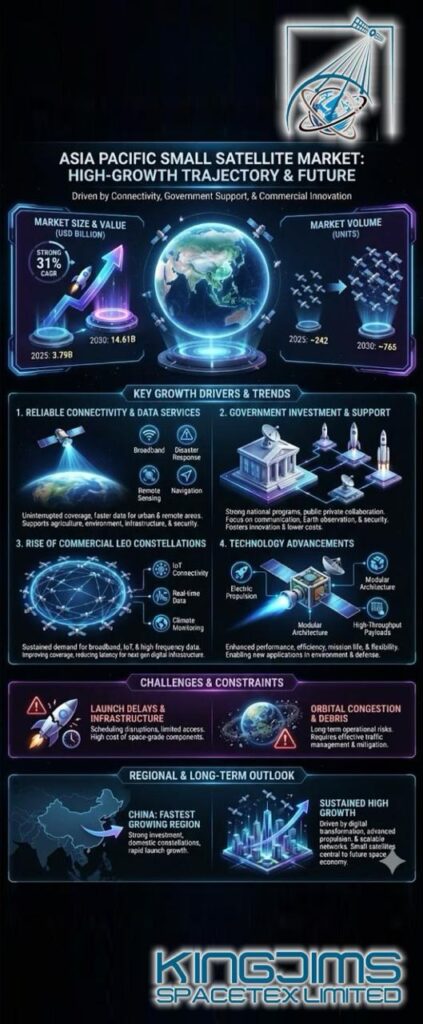
Surface Analysis & Spatial Data Integration
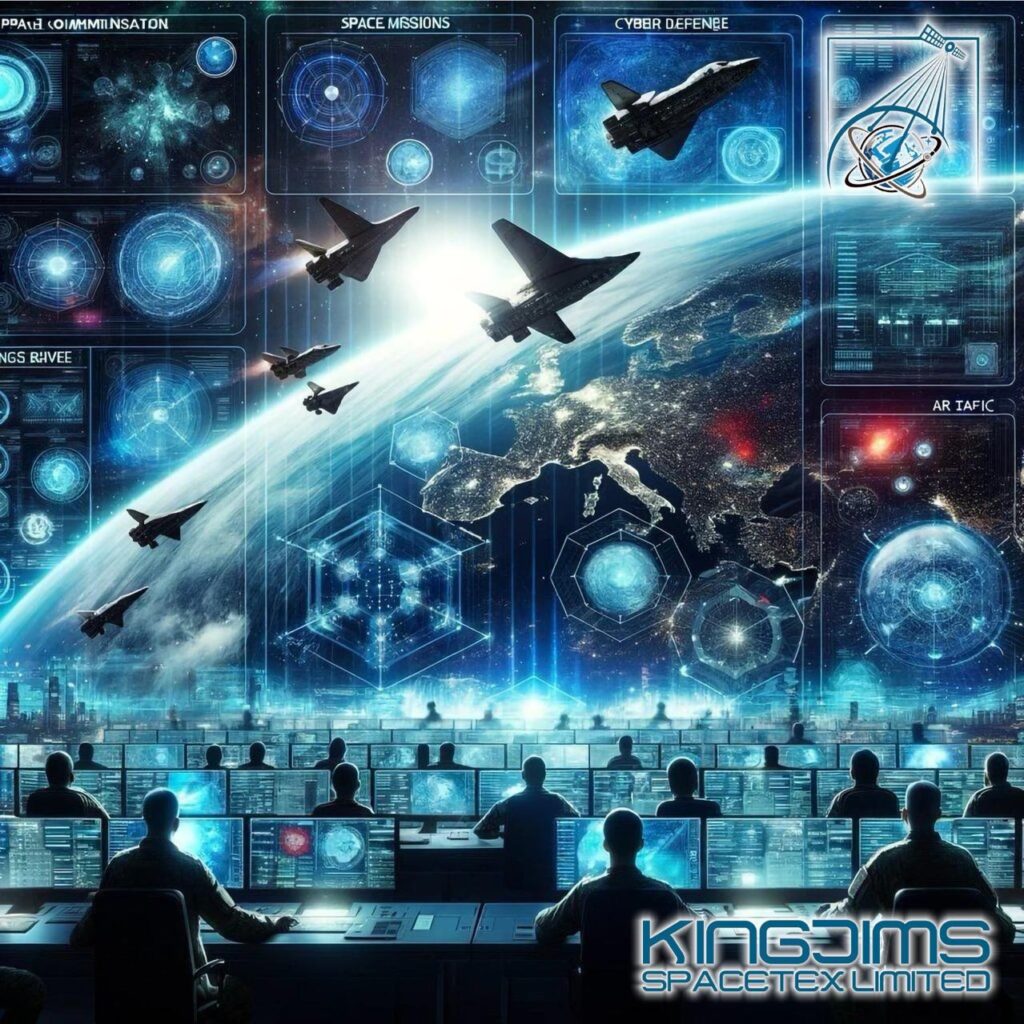
Planetary mapping science in this section focuses on analyzing spatial data to understand surface features and terrain variations across planetary bodies. Scientists integrate imaging, elevation models, and spectral data to create accurate representations of planetary landscapes. This analysis helps reveal geological processes and surface composition.
Research also emphasizes data accuracy, resolution, and long-term monitoring of surface changes. Advanced mapping techniques support navigation, mission planning, and scientific interpretation. These efforts enable deeper insight into planetary structure and evolution across the solar system.
Planetary mapping science also leverages advanced computational methods and data integration techniques to combine information from multiple sources into unified models. By merging topographic, spectral, and imaging datasets, scientists can generate highly detailed and layered maps that improve the accuracy of geological interpretation and surface analysis.
At Kingjims Spacetex, these insights support the development of advanced materials and technologies used in mapping instruments and data systems. By ensuring stability, precision, and resilience in challenging space environments, these innovations contribute to more reliable mapping outcomes and enhanced understanding of planetary terrains.