
Space Neuroscience
- Home
- Space Neuroscience
Space Genetics Research
Space Genetics Research focuses on understanding how the space environment influences genetic structure, gene expression, and cellular inheritance in living organisms. Conditions such as microgravity, cosmic radiation, and environmental stress can trigger genetic changes that affect growth, adaptation, and long-term biological stability. Studying these effects is essential for predicting how life responds and evolves beyond Earth.
At Kingjims Spacetex, Space Genetics Research supports deeper insights into biological resilience and adaptation in space. By connecting genetic science with advanced material and environmental design, this research contributes to safer biological experiments, improved life-support strategies, and a stronger foundation for sustained human and biological presence in future space missions.
Extended exposure to space conditions can influence mutation rates, DNA repair mechanisms, and epigenetic regulation, potentially affecting organismal health and reproductive success. By studying these genetic responses, scientists can better understand biological limits, adaptation strategies, and the risks associated with long-duration missions. This knowledge is vital for maintaining the well-being of astronauts and other life forms in extraterrestrial environments.
At Kingjims Spacetex, this research guides the development of controlled habitats, protective systems, and innovative material solutions that preserve genetic stability. Integrating space genetics with environmental and material engineering ensures safer experiments, more resilient life-support systems, and a foundation for sustainable exploration and colonization beyond Earth.
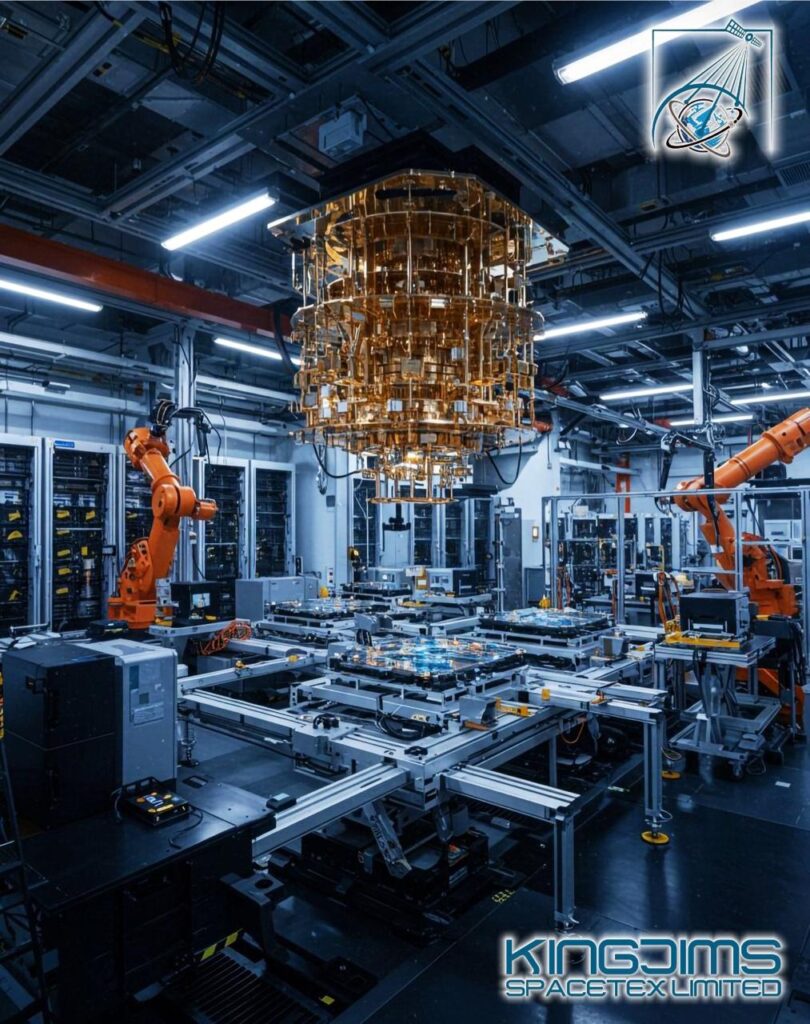
Genetic Stability and Adaptation in Space Environments

The extreme conditions of space can influence how genes behave, repair, and express themselves over time. Exposure to radiation and microgravity may alter DNA integrity, affect mutation rates, and change gene regulation pathways, potentially impacting health, development, and biological function. Understanding these processes is critical for assessing long-term biological risks in space.
At Kingjims Spacetex, this research helps guide the development of controlled environments and protective material systems that support genetic stability during space missions. By integrating genetics research with advanced material innovation, these efforts strengthen biological safety, support reliable experimentation, and advance the understanding of life’s adaptability beyond Earth.
Extended study of space-induced genetic changes also examines how cellular pathways respond to stress, how gene networks adapt over time, and how inherited traits might be affected in multi-generational scenarios. Insights from these studies help predict potential health risks, inform countermeasure development, and guide safe long-duration human and biological missions beyond Earth.
At Kingjims Spacetex, this research is applied to design habitats, instruments, and materials that minimize genetic stress while maximizing experimental reliability. By combining advanced genetics knowledge with cutting-edge material and environmental engineering, these efforts support safer, more resilient life-support systems and foster sustainable human and biological presence in space exploration.