
Space System Modeling
- Home
- Space System Modeling
Space System Modeling
Space System Modeling focuses on creating detailed analytical and computational models that represent the behavior of complex space systems. These models integrate mechanical, thermal, electrical, and environmental factors to predict how spacecraft, instruments, and materials will perform under real mission conditions. Accurate system modeling is essential for optimizing design, reducing risk, and improving mission efficiency.
At Kingjims Spacetex, Space System Modeling supports informed decision-making throughout the space technology lifecycle. By combining scientific modeling with advanced material understanding, this work enables precise performance forecasting, efficient system integration, and the development of reliable solutions for both near-Earth and deep-space missions.
Space system modeling also plays a key role in testing failure scenarios and mission contingencies before launch. By simulating extreme conditions such as radiation exposure, thermal cycling, mechanical stress, and microgravity effects, engineers can identify vulnerabilities, optimize redundancies, and enhance overall system resilience. This predictive approach reduces operational risks and increases confidence in mission success.
At Kingjims Spacetex, modeling research is integrated with real-time data and experimental results to continuously refine system predictions. By combining computational simulations with advanced materials and engineering insights, these efforts support adaptive mission planning, reliable spacecraft performance, and sustainable operations for long-duration and complex space missions.
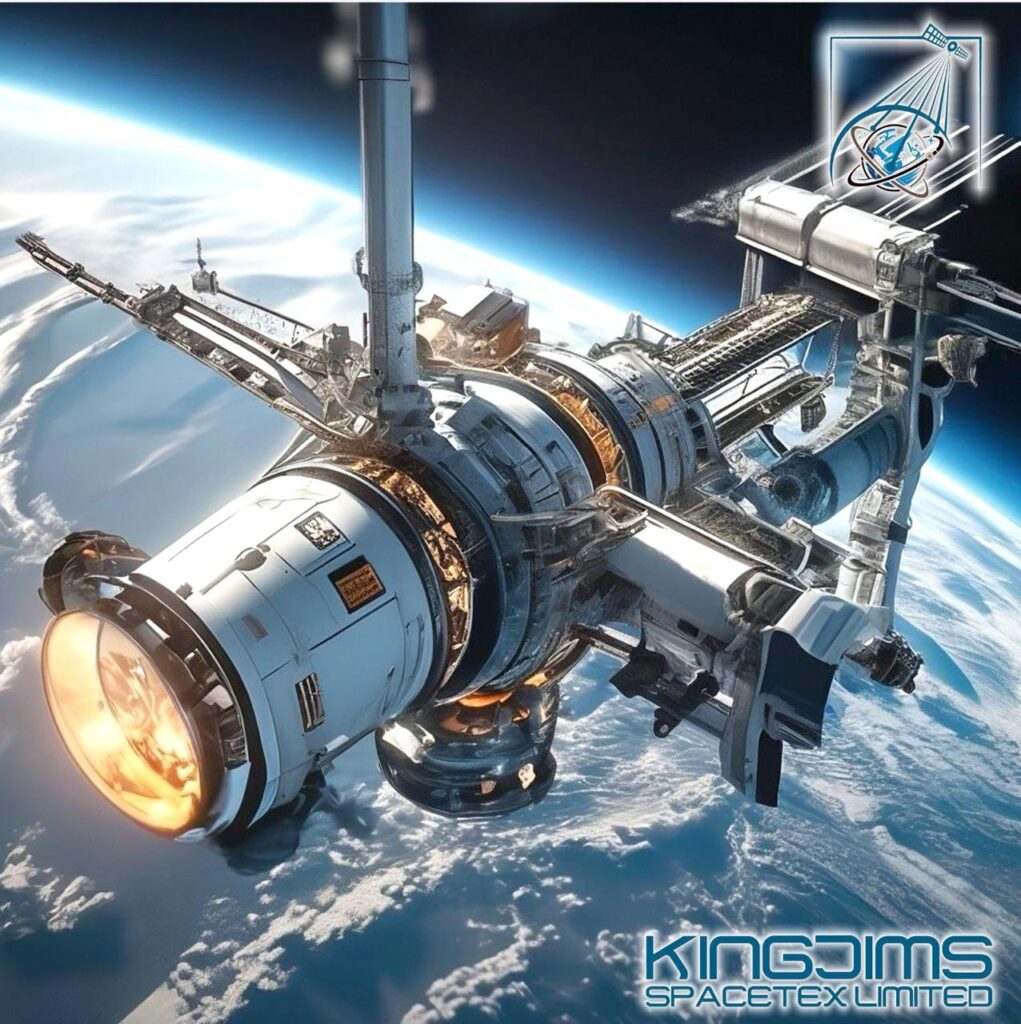
Integrated Analysis for Predictive Space System Performance
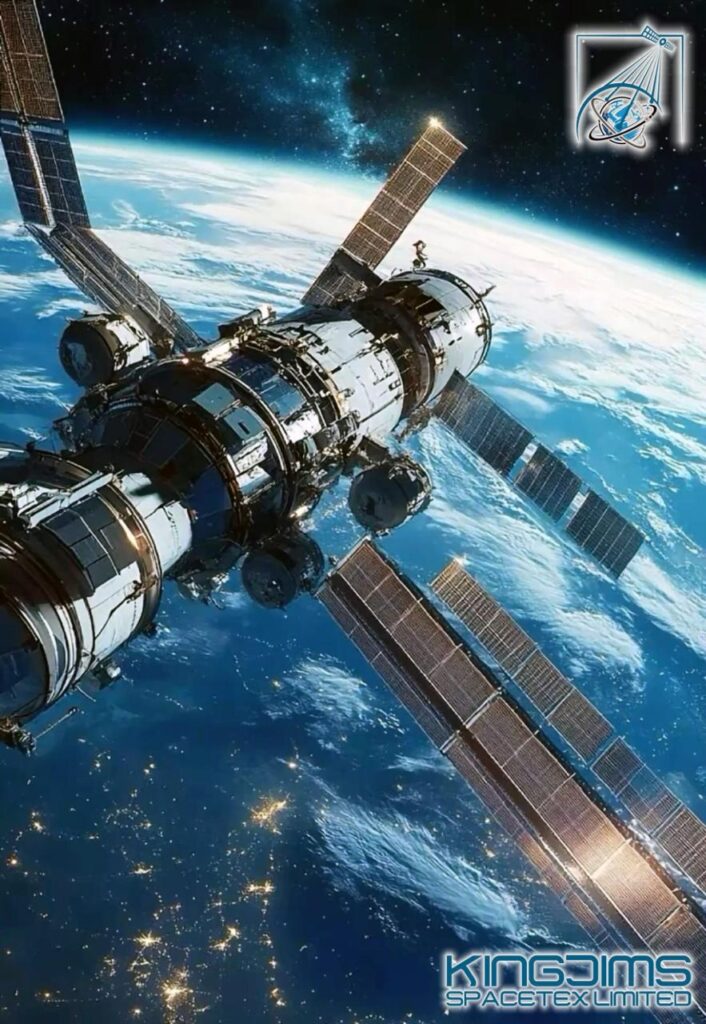
Modern space missions involve highly interconnected systems where structural, thermal, electrical, and environmental factors influence one another. Integrated system modeling allows researchers to simulate these interactions and predict system behavior under varying mission scenarios. This approach helps identify potential failures, optimize configurations, and ensure overall system stability before deployment.
At Kingjims Spacetex, this research strengthens system reliability by aligning advanced modeling techniques with material and design innovation. By using predictive analysis to guide development, these efforts reduce uncertainty, enhance performance, and support the successful execution of complex space missions.
Advanced space system modeling also enables optimization of resource usage and energy management across missions. By simulating power distribution, thermal regulation, and structural loads simultaneously, engineers can design systems that are more efficient, lighter, and capable of sustaining longer missions. This holistic approach ensures that all subsystems work together seamlessly under the constraints of space environments.
At Kingjims Spacetex, integrated modeling supports the development of adaptive and resilient spacecraft architectures. By combining predictive simulations with cutting-edge material research and engineering design, these efforts improve mission safety, operational flexibility, and the reliability of critical systems for both near-Earth operations and deep-space exploration.