
Space Imaging Science
- Home
- Space Imaging Science
Space Imaging Science: Visualizing the Universe
Space imaging science focuses on capturing detailed visual data of celestial objects, planetary surfaces, and cosmic phenomena using advanced imaging technologies. Scientists develop and use high-resolution cameras and sensors to observe stars, galaxies, and space environments across multiple wavelengths. These images help reveal structure, motion, and change in space systems.
Research also advances imaging techniques to operate under extreme conditions such as radiation, vacuum, and temperature variation. Space imaging supports astronomy, planetary exploration, and Earth observation missions. This field plays a vital role in transforming raw data into visual insights that deepen our understanding of the universe.
Space imaging science also emphasizes the integration of multi-spectral and hyperspectral imaging to capture information beyond visible light, including infrared, ultraviolet, and X-ray wavelengths. This approach allows scientists to study composition, temperature, and dynamic processes of celestial objects with greater precision, enabling discoveries that would be invisible through traditional imaging methods.
At Kingjims Spacetex, research in space imaging supports the development of robust, high-performance imaging systems and materials that withstand the harsh conditions of space. By combining imaging technology with advanced sensors and protective materials, these efforts enhance data quality, extend mission lifespans, and provide critical visual insights for exploration, observation, and scientific discovery.
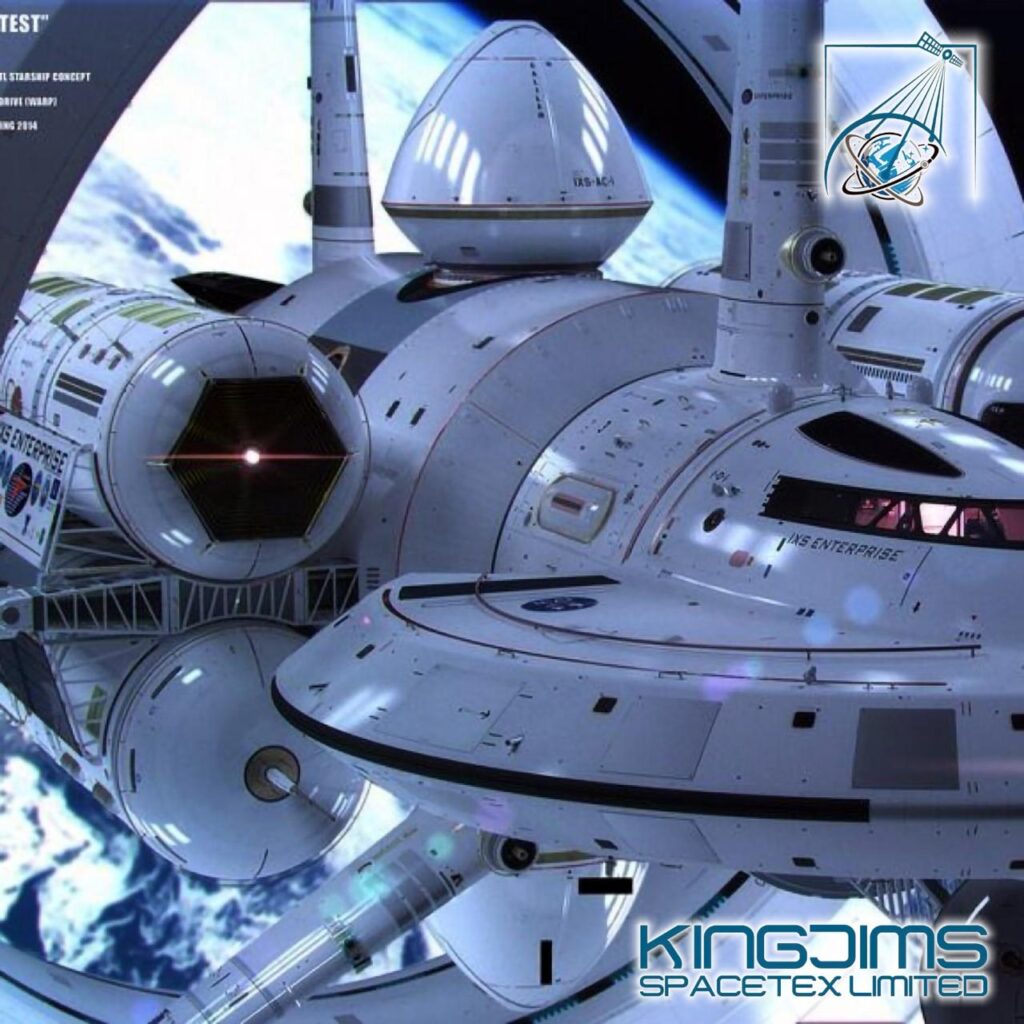
Advanced Imaging Systems & Data Accuracy
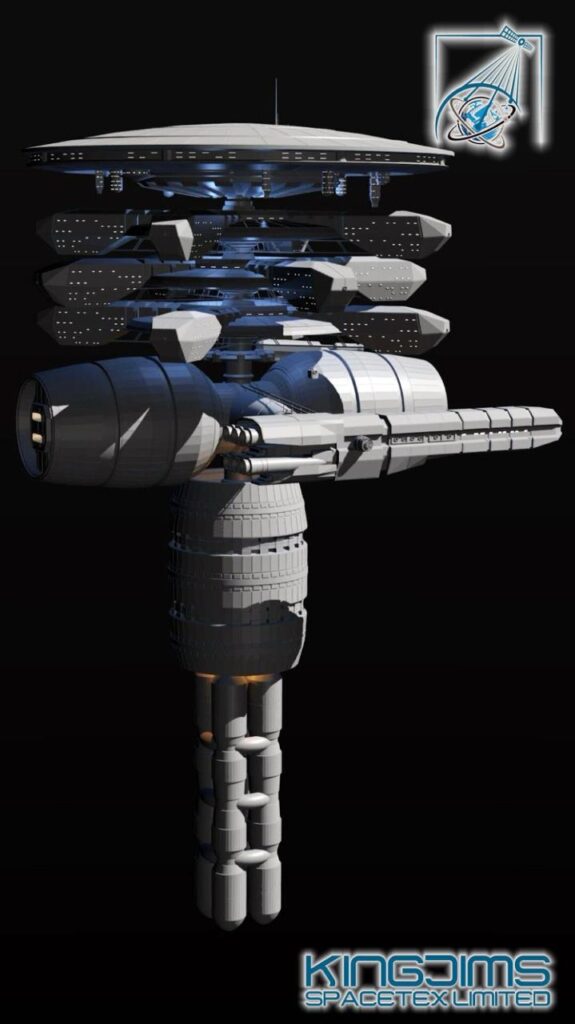
Space imaging science in this section focuses on improving the performance and reliability of imaging systems used in space missions. Scientists study sensor sensitivity, resolution, and stability to ensure accurate image capture in challenging environments such as high radiation and extreme temperatures. Precision imaging is essential for observing distant objects and fine surface details.
Research also emphasizes image processing, calibration, and long-duration operational stability. These advancements enhance data quality for scientific analysis and mission planning. Advanced imaging systems enable clearer visualization and deeper insight into complex cosmic and planetary phenomena.
Space imaging research also explores adaptive optics and real-time correction techniques to compensate for distortions caused by spacecraft motion, temperature fluctuations, and optical aberrations. These innovations improve image clarity and allow scientists to capture fine structural details of planets, stars, and galaxies that would otherwise be obscured.
At Kingjims Spacetex, imaging research supports the integration of advanced sensors with durable materials and protective coatings, ensuring instruments maintain optimal performance over extended missions. This combination of technology and material innovation enhances reliability, reduces maintenance needs, and extends the operational lifespan of space imaging systems.
Additionally, space imaging science contributes to multi-mission data integration, where images from different platforms and wavelengths are combined to provide a comprehensive understanding of celestial phenomena. By enabling cross-referencing and detailed analysis, these efforts support precise scientific interpretation, informed mission planning, and the discovery of new insights about the universe.