
Space Optics Research
- Home
- Space Optics Research
Space Optics Research: Precision Vision Beyond Earth
Space optics research focuses on the design and application of optical systems used in space missions for observation, imaging, and measurement. Scientists study lenses, mirrors, and sensors that operate in extreme conditions such as vacuum, radiation, and temperature variation. High-precision optics enable clear data collection from distant celestial objects.
Research also advances adaptive optics and imaging technologies to improve resolution and accuracy. These developments support astronomy, Earth observation, and deep-space exploration. Space optics research plays a vital role in expanding our ability to observe and understand the universe with clarity and precision.
Space optics research also investigates the effects of microgravity and space environment on optical materials and system alignment. Thermal fluctuations, radiation exposure, and mechanical stress can alter the shape, refractive properties, and stability of lenses and mirrors. Understanding these effects is critical for maintaining consistent performance of telescopes, spectrometers, and imaging instruments in long-duration missions.
At Kingjims Spacetex, this research supports the development of robust, high-precision optical systems that retain performance under extreme space conditions. By combining advanced material science with optical engineering, these efforts enhance imaging clarity, sensor sensitivity, and overall system reliability for space observation and exploration.
Additionally, space optics research contributes to innovative applications such as laser communication, precise distance measurement, and planetary surface mapping. By improving light transmission, focusing accuracy, and signal integrity, these optical systems enable faster data acquisition, more detailed observations, and expanded scientific capabilities across a wide range of space missions.
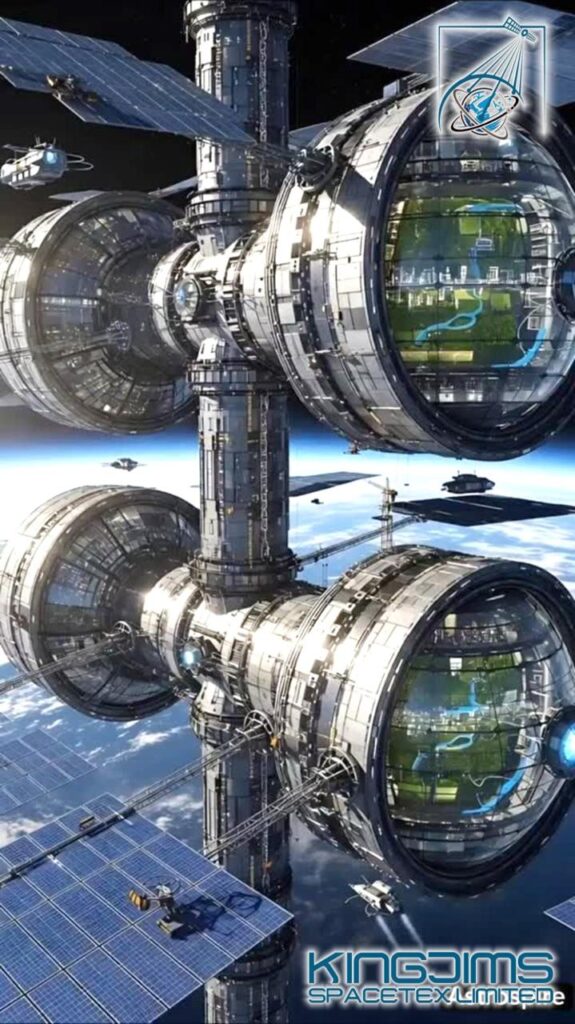
Advanced Optical Systems & Environmental Performance
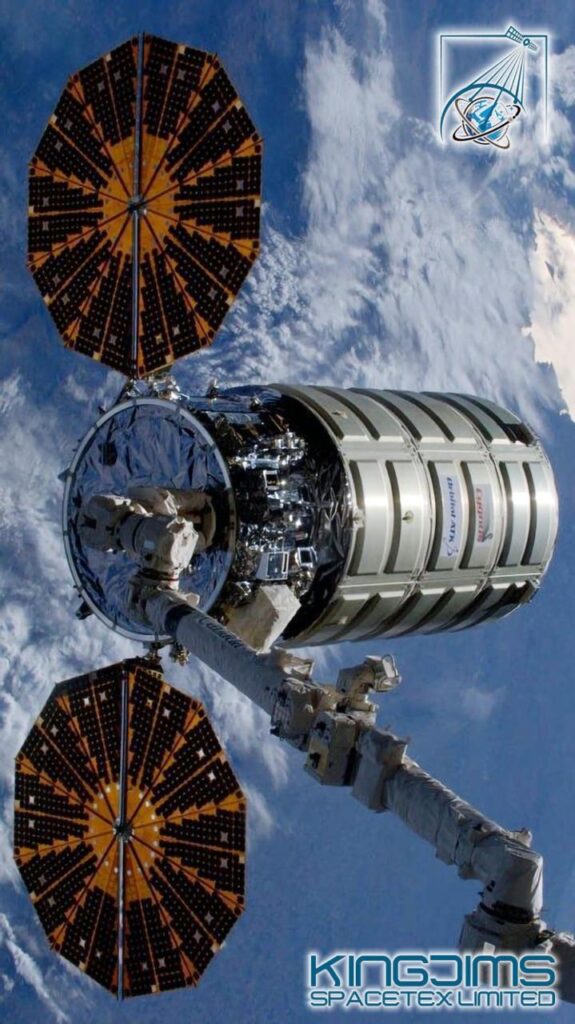
Space optics research in this section focuses on enhancing the performance of optical systems operating in harsh space environments. Scientists study how vacuum conditions, radiation exposure, and extreme temperature variations affect lenses, mirrors, and optical sensors. Ensuring optical stability and alignment is critical for accurate data collection and imaging.
Research also emphasizes material selection, surface coatings, and precision calibration to maintain image clarity over long missions. These advancements improve reliability in telescopes, satellites, and deep-space instruments. Advanced space optics enable sharper observations and support high-precision scientific discovery across space missions.
Space optics research further investigates the integration of adaptive and active optical systems to compensate for distortions caused by environmental factors. By employing real-time adjustments and feedback mechanisms, these systems maintain focus, correct aberrations, and optimize image quality even under dynamic conditions such as thermal fluctuations or mechanical stress.
At Kingjims Spacetex, this research guides the development of resilient optical assemblies that combine precision engineering with advanced materials. These systems are designed to withstand radiation, temperature extremes, and microgravity effects, ensuring consistent performance for long-duration missions and critical observational tasks.
Additionally, space optics research enables applications beyond imaging, including laser-based communication, remote sensing, and planetary mapping. By improving light transmission, signal fidelity, and optical resolution, these advancements expand scientific capabilities, enhance data collection accuracy, and support a wide range of exploration and monitoring objectives in space.