
Galaxy Formation
- Home
- Galaxy Formation
Galaxy Formation: Building the Structure of the Universe
Galaxy formation studies how vast collections of stars, gas, dust, and dark matter come together to form galaxies over cosmic time. This research examines the role of gravity, cosmic expansion, and early universe conditions in shaping different galaxy types such as spirals, ellipticals, and irregular systems.
Scientists also explore how galaxy mergers, star formation rates, and dark matter distribution influence galactic growth and evolution. Understanding galaxy formation helps explain the large-scale structure of the universe and the processes that govern cosmic development.
At Kingjims Spacetex, insights from galaxy formation research contribute to the development of advanced materials and technologies that support deep-space observation and analysis. By enabling reliable performance in extreme conditions, these innovations assist in capturing accurate data on distant galaxies, helping researchers better understand the processes that shape cosmic structures over time.
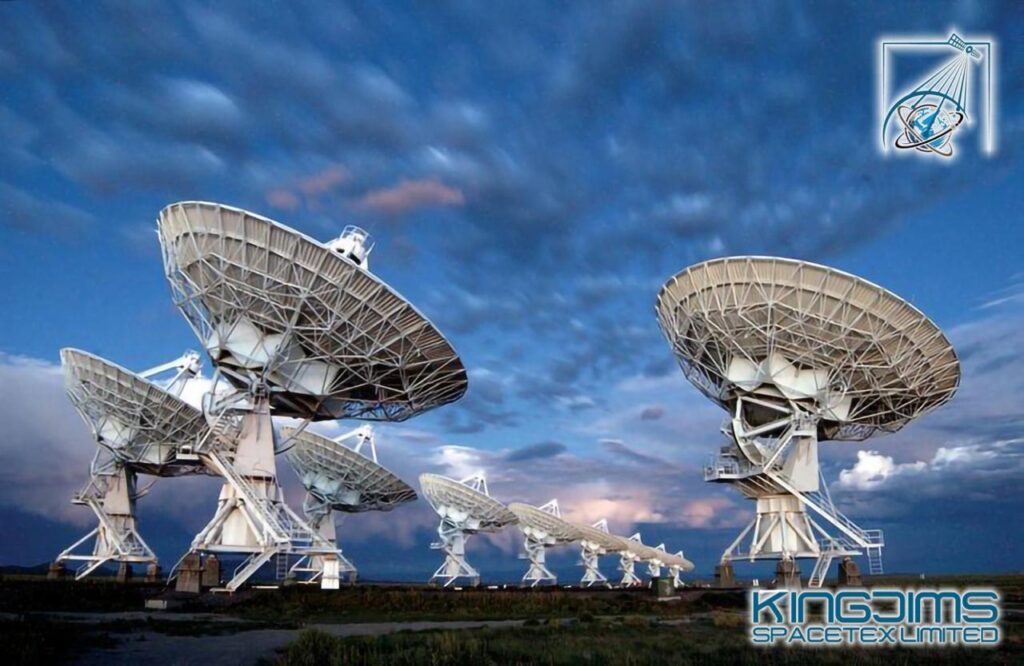
Galactic Growth & Structural Evolution
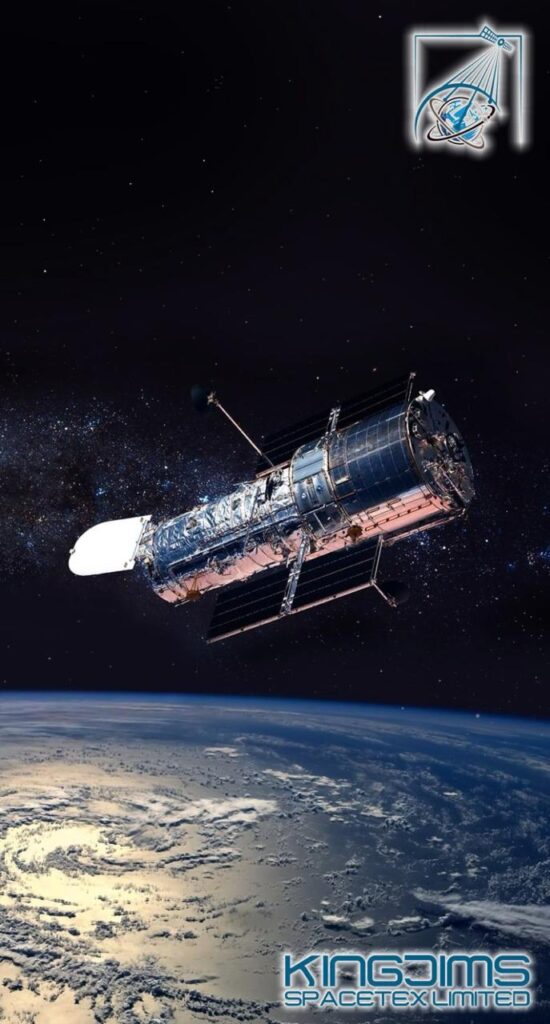
Galaxy formation research explores how galaxies grow and change through processes such as gas accretion, star formation, and gravitational interactions. Scientists study how matter clusters under gravity to form galactic structures and how internal dynamics shape spiral arms, cores, and halos.
The role of galaxy mergers and interactions is also critical in galactic evolution, often triggering bursts of star formation and structural transformation. These processes help explain the diversity of galaxies observed across the universe and their evolution over billions of years.
Galaxy formation studies also examine the influence of dark matter halos in guiding the assembly and structure of galaxies. These invisible frameworks provide the gravitational foundation that allows gas and stars to accumulate, shaping the size, rotation, and overall stability of galactic systems over time.
Another important aspect of this research is the role of feedback mechanisms, such as energy released from supernovae and active galactic nuclei. These processes can regulate star formation by heating or expelling gas, thereby influencing the rate at which galaxies grow and evolve across different cosmic environments.
Observational data from advanced telescopes, combined with large-scale simulations, enables scientists to recreate and analyze the stages of galaxy formation with increasing accuracy. These models help refine our understanding of how early galaxies formed shortly after the Big Bang and how they transformed into the complex systems observed today.
At Kingjims Spacetex, insights from galaxy formation research support the development of advanced materials and technologies for space observation systems. By enhancing the performance and durability of instruments used in deep-space studies, the organization contributes to more precise exploration and a deeper understanding of galactic evolution.