
Nanotechnology in Space
- Home
- Nanotechnology in Space
Nanotechnology in Space
Nanotechnology in Space explores the use of materials and systems engineered at the nanoscale to enhance performance, efficiency, and protection in space environments. At this scale, materials exhibit unique mechanical, thermal, and electrical properties that can be leveraged to address challenges such as radiation exposure, extreme temperatures, and weight constraints in spacecraft design.
At Kingjims Spacetex, nanotechnology research supports the development of advanced, lightweight, and multifunctional material solutions for space applications. By integrating nanoscale innovation with space science and material engineering, this work contributes to stronger protective systems, improved durability, and next-generation technologies that support reliable and sustainable space exploration.
Nanotechnology also enables the development of smart materials with self-healing, adaptive, and highly responsive properties, which are particularly valuable in the harsh and unpredictable conditions of space. These innovations can enhance structural integrity, improve energy efficiency, and support advanced sensing capabilities, allowing space systems to maintain performance and longevity during long-duration missions.
Nanoscale Innovation for Advanced Space Applications
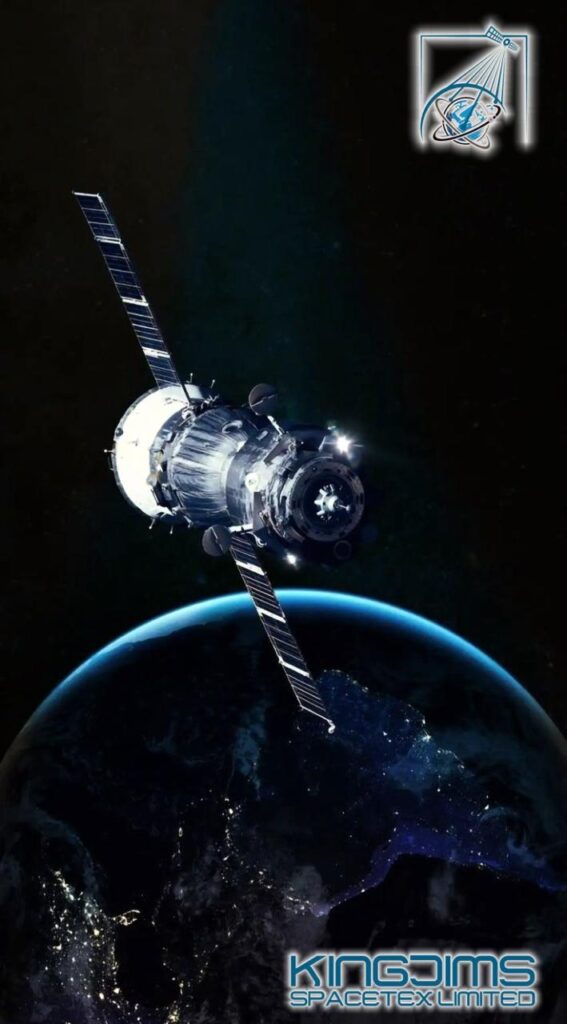
Engineering materials at the nanoscale allows precise control over strength, flexibility, conductivity, and resistance to radiation and heat. In space environments, these properties enable the creation of lighter structures, enhanced protective layers, and smarter functional surfaces that perform beyond the limits of conventional materials. Nanotechnology also supports improved sensing, energy efficiency, and system miniaturization critical for modern space missions.
At Kingjims Spacetex, this research focuses on translating nanoscale advancements into practical material solutions for space use. By aligning nanotechnology research with advanced material design, these efforts help improve performance, reduce mission risk, and enable innovative technologies essential for the future of space exploration.
Nanotechnology also contributes to the development of advanced coatings and surface treatments that enhance durability and resistance to wear in extreme space conditions. These nanoscale layers can protect against corrosion, radiation damage, and thermal stress, ensuring that critical components maintain their functionality over extended mission durations.
In addition, ongoing research in nanoscale systems supports the integration of multifunctional capabilities within a single material. By combining structural strength with sensing, thermal management, and electrical properties, nanotechnology enables more efficient and compact designs, helping optimize space systems for performance, reliability, and long-term exploration goals.