
Space Materials Science
- Home
- Space Materials Science
Space Materials Science
Space Materials Science focuses on the study and development of materials capable of performing reliably under the extreme conditions of space. Factors such as microgravity, intense radiation, extreme temperature variations, vacuum exposure, and mechanical stress can significantly alter material behavior. Understanding how materials respond to these conditions is essential for ensuring the durability, safety, and longevity of space systems.
At Kingjims Spacetex, Space Materials Science drives innovation in advanced textiles and engineered materials designed for space applications. By combining material research with space science requirements, this work supports the creation of resilient, lightweight, and protective solutions that enhance mission performance and enable sustainable exploration beyond Earth.
Research in Space Materials Science also investigates how materials degrade over time under prolonged space exposure, including effects such as radiation-induced embrittlement, thermal cycling fatigue, and surface erosion from micrometeoroid impacts. By understanding these processes, scientists can design materials that maintain structural integrity, functionality, and safety throughout long-duration missions.
At Kingjims Spacetex, this knowledge informs the development of next-generation coatings, composites, and multifunctional materials that optimize strength, thermal regulation, and radiation shielding. Integrating advanced material innovation with mission-specific requirements ensures that spacecraft, habitats, and equipment perform reliably, supporting safer and more efficient space exploration.
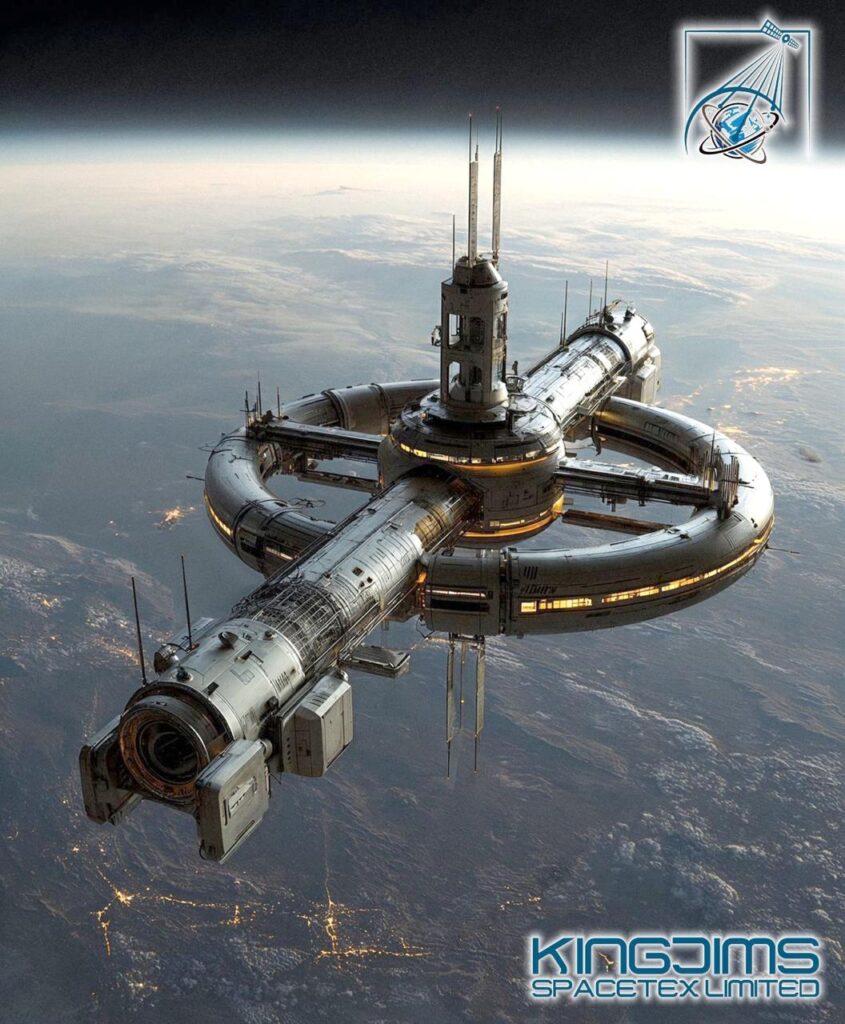
Material Performance and Innovation in Extreme Space Conditions
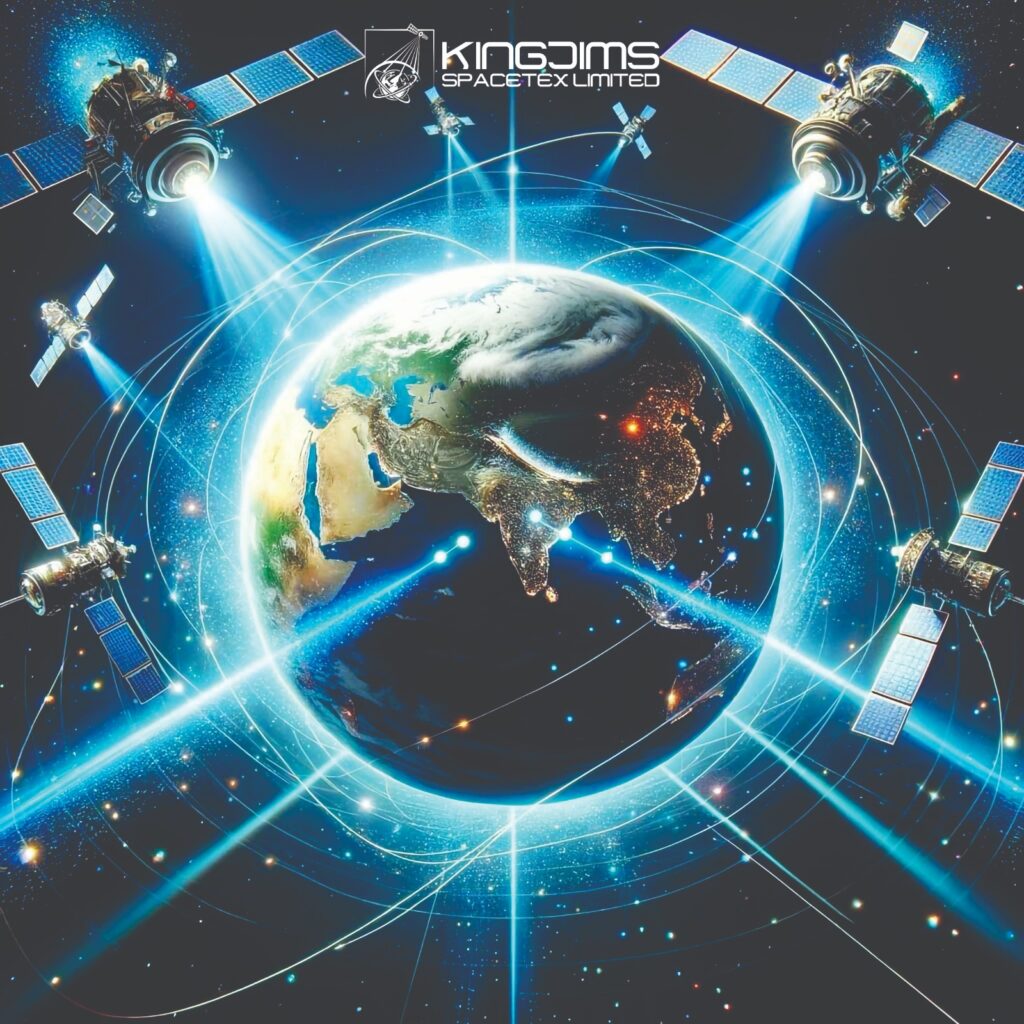
Materials used in space must withstand continuous exposure to radiation, vacuum, thermal cycling, and mechanical fatigue without loss of performance. In microgravity, material formation, bonding, and degradation behave differently, offering opportunities to develop stronger, lighter, and more efficient structures. Research in this area focuses on understanding these behaviors to improve reliability and lifespan in space environments.
At Kingjims Spacetex, this research supports the development of advanced material systems tailored for space missions. By integrating scientific analysis with innovative design, these efforts enable protective textiles, structural components, and functional materials that meet the demanding requirements of future space exploration.
Long-term space missions demand materials that maintain mechanical strength, thermal stability, and chemical resistance under extreme and fluctuating conditions. Research also explores self-healing, radiation-resistant, and multifunctional materials that can adapt to environmental stresses, reducing maintenance needs and enhancing mission safety. These advancements are critical for habitats, spacecraft, and equipment that operate in deep space or on planetary surfaces.
At Kingjims Spacetex, material science research focuses on translating these innovations into practical applications. By combining advanced engineering, nanoscale design, and space-tested material solutions, the work ensures durable, efficient, and high-performance systems that support sustainable exploration and human activity beyond Earth.