Emphasizes rigorous testing, validation, and predictive analysis to ensure long-term performance, safety, and mission success in harsh space environments.

Spacecraft reliability engineering focuses on designing, testing, and maintaining space systems that can operate safely and consistently throughout their mission life. Engineers analyze component durability, system redundancy, and failure modes to minimize risk in harsh space environments. Reliable spacecraft performance is essential for mission success and data integrity.
This field emphasizes rigorous testing, predictive maintenance, and fault-tolerant design strategies. By identifying potential failures early and improving system resilience, spacecraft reliability.
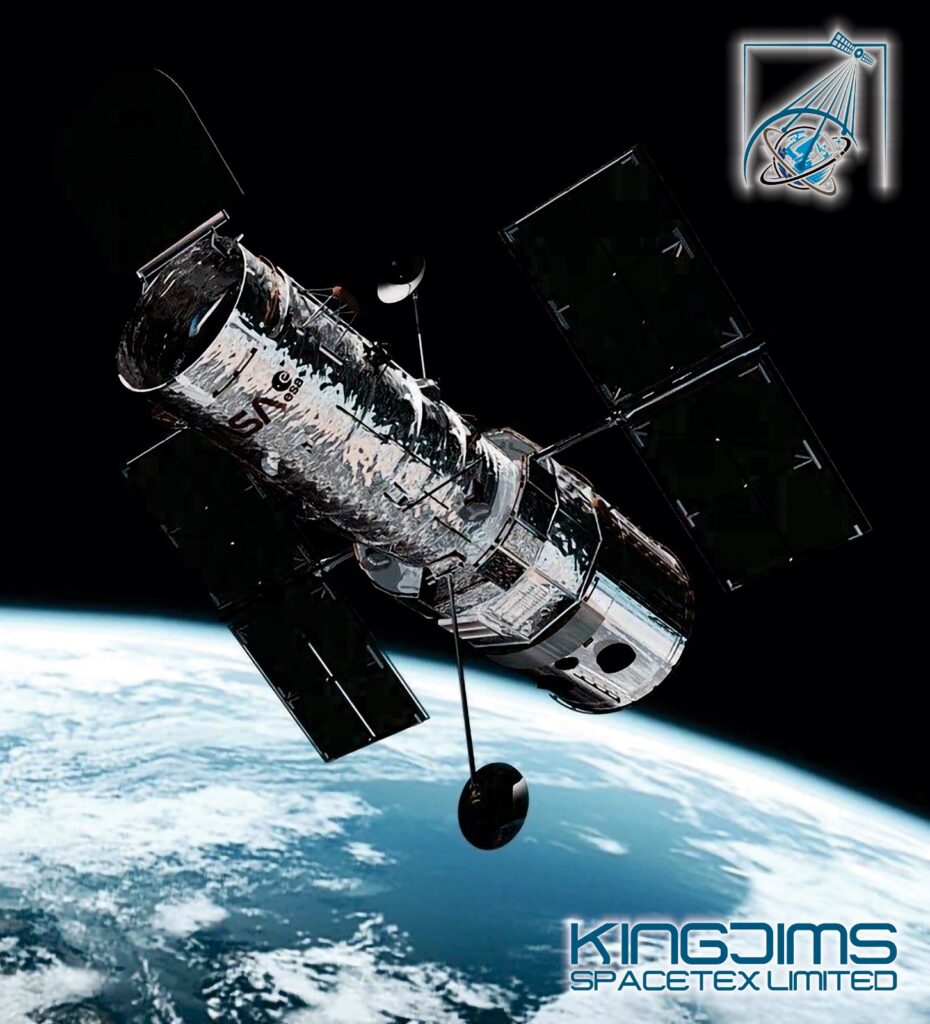


Focuses on building resilient spacecraft systems with backup architectures that continue operating safely despite component failures.
Emphasizes rigorous testing, validation, and predictive analysis to ensure long-term performance, safety, and mission success in harsh space environments.
Radiation shielding technology also focuses on rigorous testing and validation of materials under simulated space radiation conditions. These studies ensure shielding solutions perform reliably against prolonged exposure to cosmic rays, solar particle events, and high-energy radiation encountered during deep-space missions.
By adapting shielding designs to specific mission profiles, this research supports safer long-duration exploration and enhanced protection for both astronauts and critical onboard systems. The goal is to balance maximum radiation defense with minimal impact on spacecraft mass and performance.
Advanced radiation shielding research also explores innovative materials, multilayer composites, and active protection systems that can dynamically respond to varying radiation levels. By combining passive and active shielding approaches, these technologies aim to enhance protection without compromising spacecraft functionality or adding excessive weight.
At Kingjims Spacetex, this research integrates simulation, experimental validation, and mission-specific customization to develop optimal shielding solutions. These efforts ensure that both crewed and uncrewed missions can operate safely in high-radiation environments, supporting long-term deep-space exploration and sustainable human presence beyond Earth.
Kingjims Spacetex Limited is dedicated to advancing space research through disciplined scientific inquiry, data-driven analysis, and long-term exploration.
©2026 | KingJims Spacetex Limited | All Rights Reserved.