
Space Science Experiments
- Home
- Space Science Experiments
Space Science Experiments
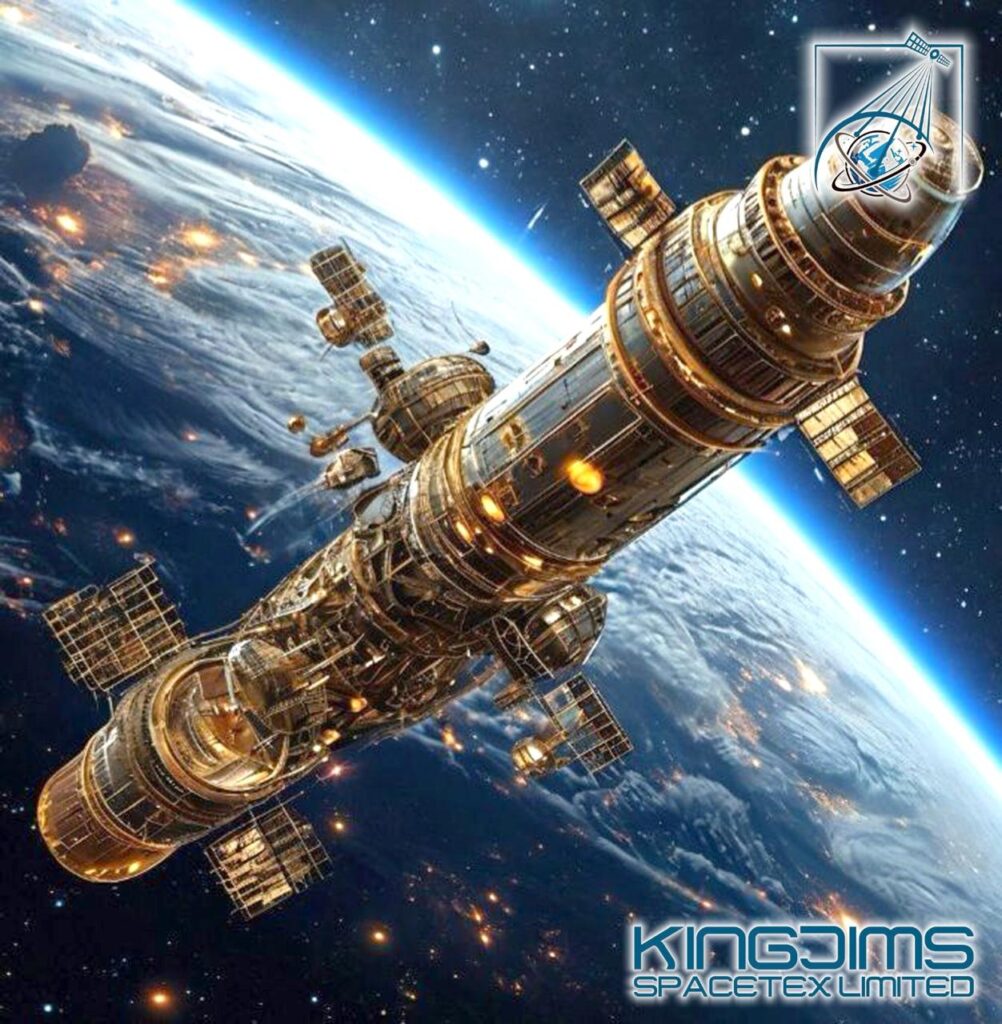
Space Science Experiments focus on conducting controlled scientific investigations in space to understand physical, biological, and chemical processes beyond Earth’s environment. Microgravity, vacuum, and exposure to cosmic radiation create unique conditions that reveal behaviors and interactions not observable on Earth, making space-based experimentation essential for advancing scientific knowledge.
At Kingjims Spacetex, Space Science Experiments support innovation across materials science, biology, physics, and system performance. By enabling precise experimental design and reliable support systems, this work contributes to validated discoveries, improved technologies, and a deeper understanding of space environments that shape future exploration missions.
Space Science Experiments also explore how fundamental processes—such as fluid dynamics, combustion, crystallization, and cellular growth—behave under the altered conditions of space. These investigations provide insights into phenomena that are masked or altered by Earth’s gravity, enabling breakthroughs in physics, chemistry, and life sciences.
At Kingjims Spacetex, this research emphasizes the development of controlled experiment platforms, reliable instrumentation, and monitoring systems that operate in extreme space environments. By combining rigorous experimental methodology with advanced material and system design, these efforts enhance the accuracy, repeatability, and applicability of space-based scientific research.
Simulation-Driven Optimization and Risk Assessment
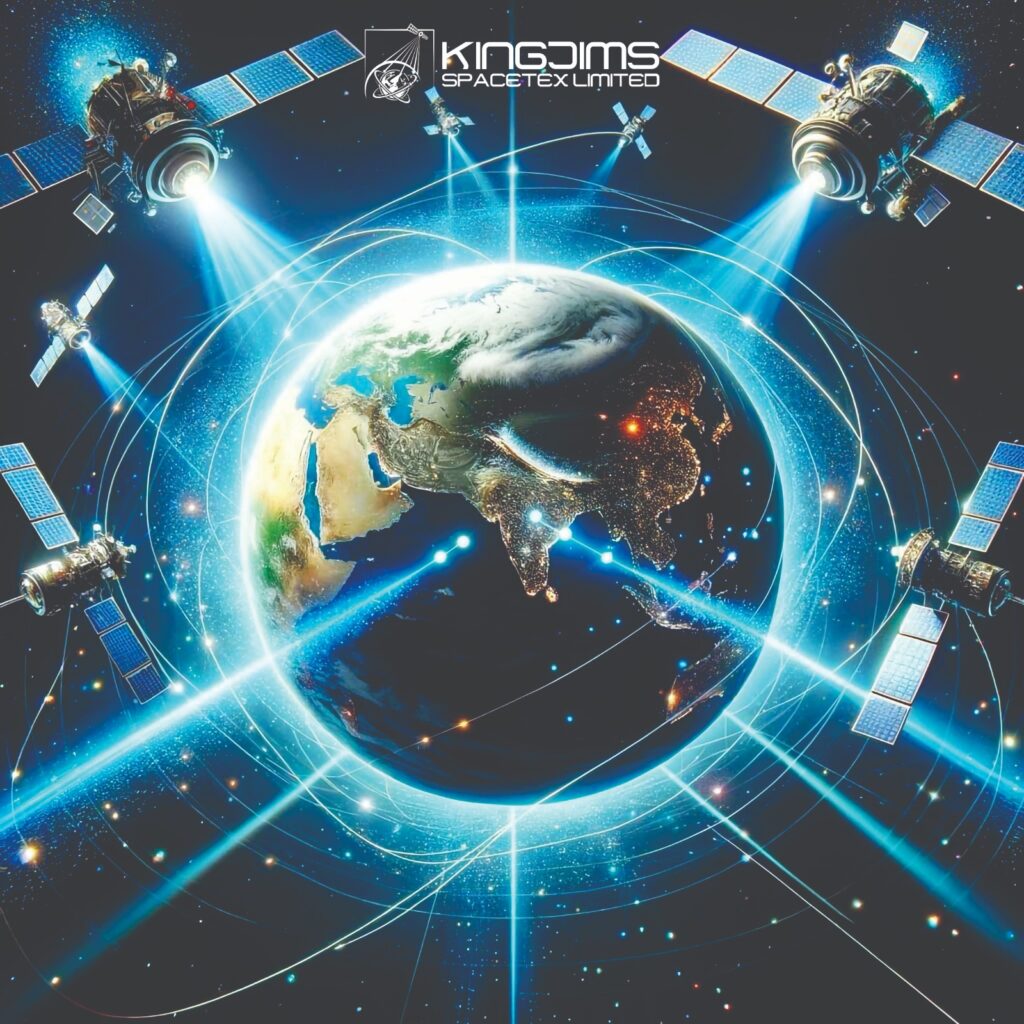
Accurate space system modeling enables engineers and scientists to evaluate multiple mission scenarios before physical implementation. By simulating system behavior under varying loads, temperatures, radiation levels, and operational conditions, potential risks and performance limitations can be identified early. This approach reduces design uncertainty, improves safety margins, and supports cost-effective mission planning.
At Kingjims Spacetex, this research emphasizes predictive modeling as a foundation for reliable space systems. By integrating simulation insights with advanced material knowledge and system design, these efforts help optimize performance, minimize failure risks, and ensure robust operation across complex and long-duration space missions.
Space system modeling also allows for the integration of multi-physics and multi-domain analyses, including thermal, structural, fluid, and radiation effects. By creating comprehensive digital twins of spacecraft and instruments, engineers can anticipate interactions between subsystems, assess resilience under extreme conditions, and refine designs to meet mission-specific requirements.
At Kingjims Spacetex, this research supports the development of adaptive modeling tools that evolve with new data from ongoing missions. By combining predictive simulations with real-world observations, these efforts enhance decision-making, improve mission reliability, and enable more efficient deployment of advanced space technologies.