
Space Simulation Science
- Home
- Space Simulation Science
Space Simulation Science
Space Simulation Science focuses on recreating space conditions within controlled environments to study physical, biological, and material behavior without leaving Earth. By simulating factors such as microgravity, radiation exposure, vacuum, and extreme temperatures, researchers can safely test theories, technologies, and systems before they are deployed in actual space missions.
At Kingjims Spacetex, Space Simulation Science supports accurate experimentation and risk reduction in space research and development. By combining advanced simulation techniques with material innovation and scientific analysis, this work enables reliable testing, informed design decisions, and improved mission readiness for future space exploration.
Space simulation allows scientists to investigate how living organisms, fluids, and materials respond to the unique stresses of space. By replicating microgravity and radiation conditions, researchers can study physiological adaptation, chemical reactions, and mechanical behavior in a controlled setting, providing critical insights that inform spacecraft design and astronaut safety.
At Kingjims Spacetex, this research integrates high-fidelity simulation platforms with advanced monitoring and measurement systems. These efforts help validate new technologies, optimize life-support and operational systems, and ensure that both human and robotic missions perform reliably under the extreme conditions of space.
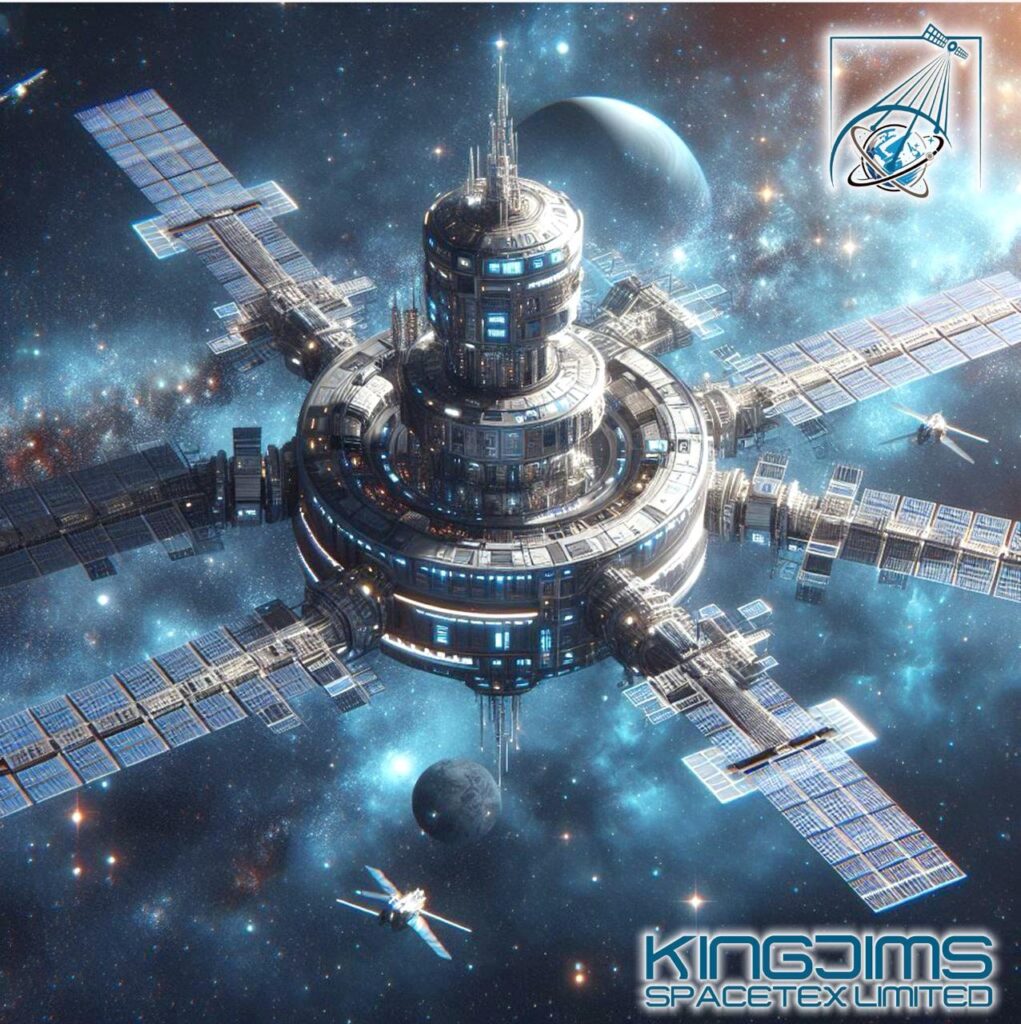
Modeling Space Environments for Reliable Research
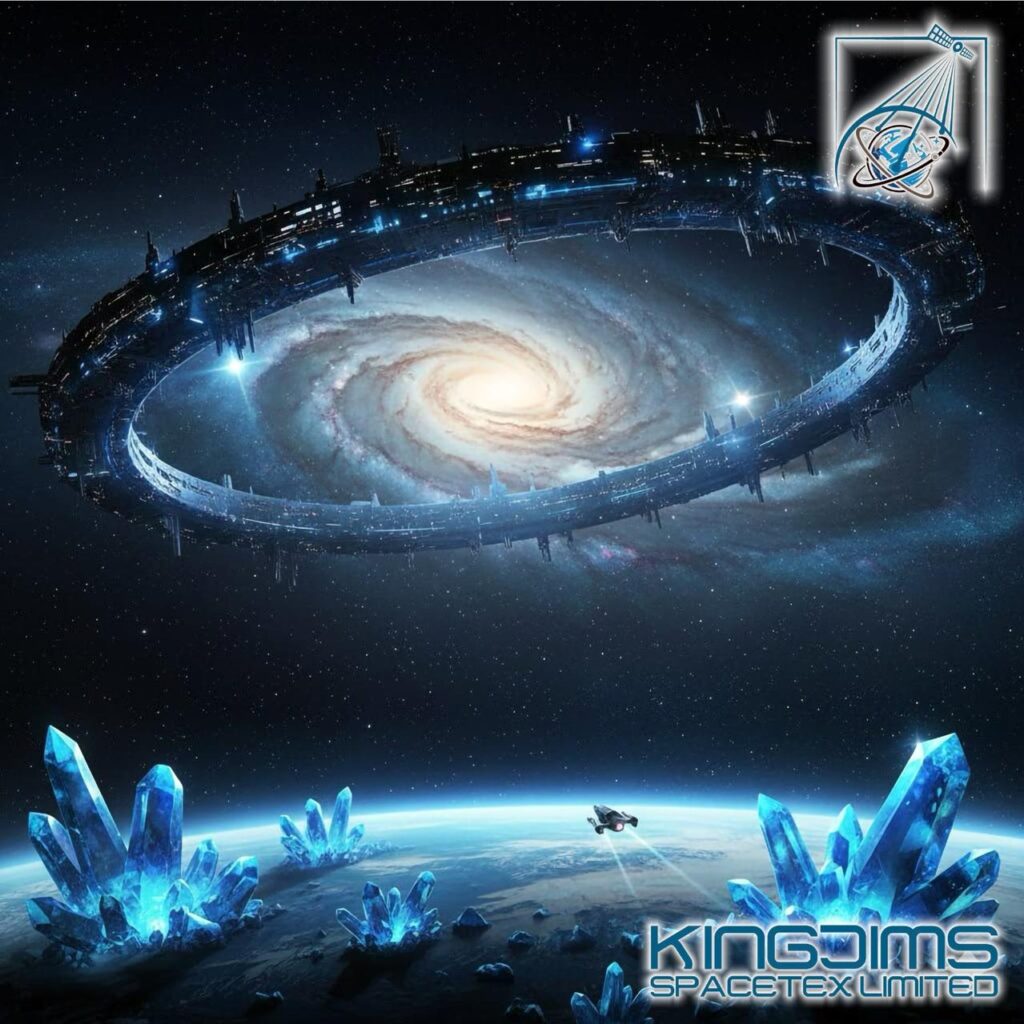
Simulating space conditions allows scientists to observe how systems respond to microgravity, radiation, vacuum, and thermal extremes in a controlled and repeatable manner. These simulations help identify potential risks, performance limits, and system interactions long before launch, reducing uncertainty and improving mission reliability. Accurate modeling is essential for validating scientific hypotheses and technological designs.
At Kingjims Spacetex, this research supports the development of realistic simulation frameworks that guide material selection and system optimization. By aligning simulation science with advanced material innovation, these efforts enable safer testing, faster development cycles, and stronger confidence in space-ready technologies.
Space simulation also enables the study of human adaptation and performance under space-like conditions. By replicating isolation, altered day-night cycles, microgravity, and radiation exposure, researchers can assess physiological, cognitive, and psychological responses. These insights are critical for designing effective life-support systems, protective measures, and operational protocols for long-duration missions.
At Kingjims Spacetex, integrating human-centric studies with advanced simulation technologies helps create safer habitats, optimize crew performance, and develop adaptive systems that respond to real-time conditions. This approach ensures that both humans and equipment can operate reliably, supporting sustainable exploration far beyond Earth.