
Machine Learning for Space
- Home
- Machine Learning for Space
Machine Learning for Space
Machine Learning for Space focuses on using data-driven algorithms to analyze, predict, and optimize complex processes in space missions. With the vast amount of data generated by satellites, sensors, and scientific instruments, machine learning enables faster pattern recognition, anomaly detection, and mission insight beyond traditional analytical methods.
At Kingjims Spacetex, Machine Learning research supports intelligent data interpretation and adaptive system behavior in space environments. By integrating machine learning models with advanced material and space technologies, this work enhances operational efficiency, improves reliability, and enables smarter decision-making across exploration, observation, and long-duration space missions.
Machine learning also plays a critical role in autonomous space operations, enabling spacecraft and systems to make real-time decisions with minimal human intervention. From navigation and trajectory optimization to fault detection and system recovery, these intelligent models enhance the adaptability and resilience of space missions operating in dynamic and unpredictable environments.
Additionally, continuous advancements in data processing and algorithm development allow machine learning systems to evolve alongside mission requirements. By leveraging large-scale datasets and iterative learning techniques, researchers can refine predictive accuracy and optimize performance, supporting more efficient planning, deeper space exploration, and improved scientific outcomes.
Learning Algorithms for Space Data and Mission Optimization
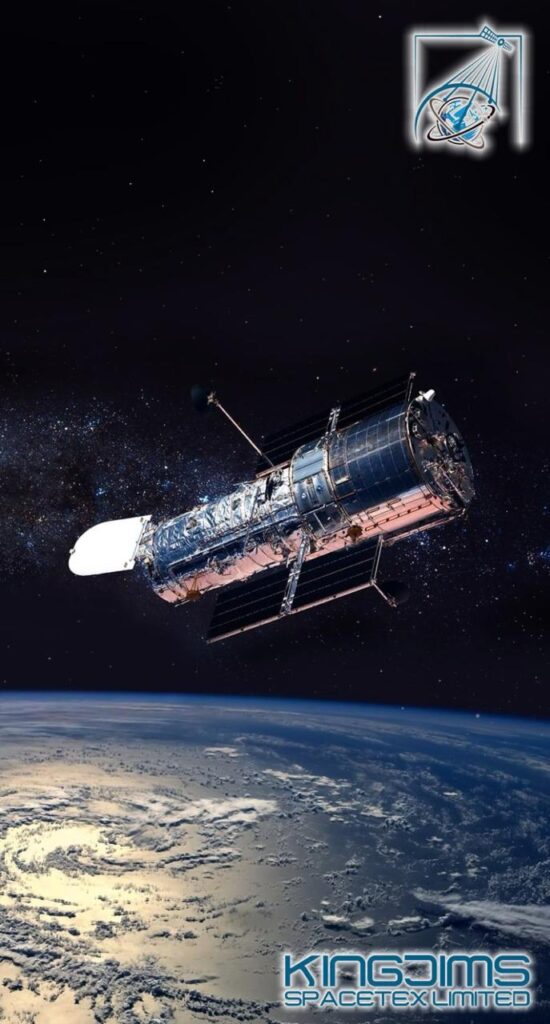
Machine learning algorithms are essential for extracting meaningful insights from the massive datasets produced by space missions. By identifying hidden patterns, detecting anomalies, and improving predictive accuracy, these systems support more efficient navigation, resource management, and scientific discovery. Machine learning also enables continuous system improvement as missions progress.
At Kingjims Spacetex, this research focuses on applying learning-based models to enhance space system intelligence and performance. By aligning machine learning capabilities with robust design and advanced materials, these efforts enable smarter data utilization, improved mission planning, and sustainable long-duration space exploration.
Machine learning further enhances real-time decision-making by enabling systems to process incoming data streams and respond instantly to changing conditions. This capability is especially valuable in deep-space missions, where communication delays limit direct human control, allowing spacecraft to operate more autonomously and efficiently.
Another key area of focus is the integration of machine learning with simulation and modeling tools. By combining predictive algorithms with high-fidelity simulations, researchers can test mission scenarios, optimize system performance, and anticipate potential challenges before deployment, reducing risk and improving mission outcomes.
At Kingjims Spacetex, continuous advancements in machine learning are supported through the development of scalable data frameworks and adaptive systems. These innovations ensure that space technologies remain responsive, reliable, and capable of evolving alongside the increasing complexity of modern space exploration.